

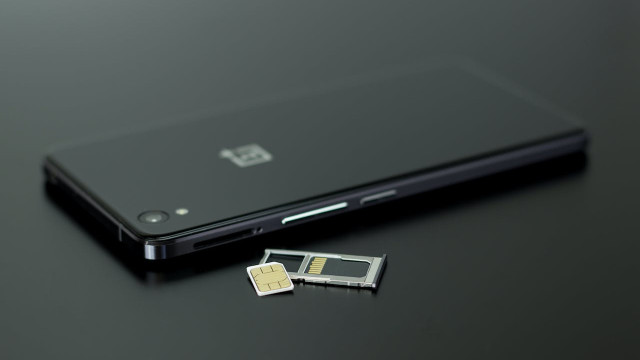
In a notable development, Google has commenced the implementation of a feature aimed at enabling any Android smartphone to transform traditional physical SIM cards into eSIMs. This innovative feature is currently in the works, with its presence discerned within the code of Android 14.
The essence of this feature is expected to mirror the functionality already available on iPhones, providing users with a seamless process to convert their conventional SIM cards into eSIMs effortlessly when transitioning to a new smartphone. This advancement holds the promise of simplifying the often intricate process of transferring SIM card data between devices, introducing a level of convenience that aligns with the user-friendly practices observed in the iOS ecosystem. As Android continues to evolve, this impending feature underscores Google's commitment to enhancing user experiences and streamlining device management for Android users across a diverse range of devices.
While the conversion feature, poised to enable the transformation of traditional physical SIM cards into eSIMs, is already embedded in the Android 14 APR2 Beta 3 code, it's important to note that the feature remains dormant and cannot be activated or utilized at this juncture.
Additionally, it's imperative to acknowledge that the functionality is slated to make its debut within the Pixel line initially. Subsequently, its integration into other smartphones may be subject to varying timelines, contingent on the individual manufacturers' implementation schedules. As with many advancements in the Android ecosystem, the gradual rollout emphasizes the collaborative nature of software integration across diverse devices, ensuring a methodical and well-coordinated introduction of features to a broad spectrum of Android users.
It's pertinent to highlight that certain manufacturers have already implemented proprietary processes to manage eSIM technology, showcasing a proactive approach to the evolving landscape of mobile connectivity. These proprietary solutions, developed by manufacturers, often offer users tailored and seamless experiences when it comes to utilizing eSIM functionality on their devices.
Moreover, mobile operators have been actively endorsing the adoption of virtual chips (eSIMs) for reasons rooted in enhanced security measures. The transition towards eSIMs aligns with broader industry trends emphasizing the importance of robust security protocols in the realm of mobile telecommunications. As the mobile ecosystem continually evolves, the collaboration between manufacturers and network operators in promoting eSIM technology underscores a collective commitment to advancing the security, convenience, and efficiency of mobile connectivity for users across diverse devices and networks.